
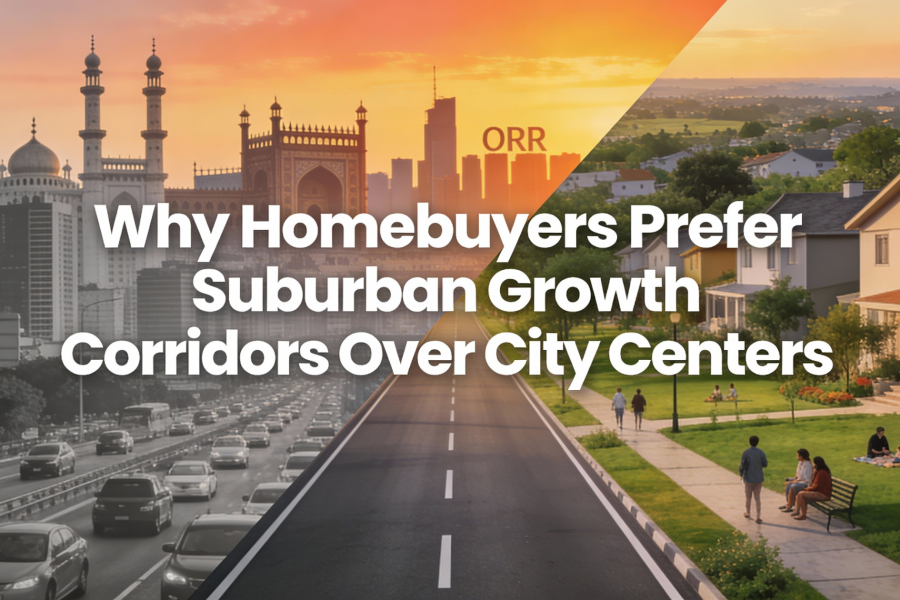
For many years, living in the centre of a city was seen as the ideal choice. It meant shorter commutes, better access to offices, schools, and entertainment, and a certain sense of status. City addresses carried weight. But that thinking has been slowly changing, and over the last few years, the shift has become impossible to ignore.
Rising property prices, changing work patterns, and lifestyle-driven decisions have altered how people evaluate their homes. Today, suburban real estate in India is gaining steady attention from families and investors who are rethinking what “good living” really means. With experts predicting a noticeable rise in residential demand in 2026, this move toward the edges of cities is shaping the next phase of housing preferences.
This is not about moving away from cities altogether. It is about choosing space, comfort, and balance over congestion.
Space Has Become a Real Requirement, Not an Upgrade
One of the biggest challenges of city living today is the lack of space. Apartments have become smaller, neighbourhoods more crowded, and open areas increasingly rare. What was once acceptable for convenience no longer works for families planning to stay long term.
Homes located along growth corridors offer a different experience. Larger layouts, better ventilation, and open surroundings are now central to buying decisions. This is one of the key reasons suburban real estate in India continues to attract attention from people upgrading their homes or moving in with long-term plans.
More space also allows families to adapt to changing needs, children, work-from-home setups, or simply the desire for breathing room. These practical advantages are driving sustained interest in city outskirts development.
Affordable Luxury Homes Are Changing Expectations
Another strong factor behind this shift is the availability of affordable luxury homes outside city centres. In prime urban locations, even basic apartments come with high price tags. On the other hand, newer residential zones offer thoughtfully planned homes with better features at more reasonable prices.
Buyers today are comparing value, not just location. Many developments now include clubhouses, landscaped open areas, fitness spaces, and secure gated environments. These features were once limited to premium city projects. Now they are becoming standard offerings in growth zones.
This shift in value perception is playing a major role in shaping residential demand in 2026, especially among families who want quality living without stretching budgets beyond comfort.
Connectivity Has Removed the Old Barriers
Earlier, choosing a home outside the city often meant long and unpredictable travel. That concern still exists in some places, but overall, the picture has changed significantly. Ongoing apartments in hyderabad for sale has improved road networks, added metro links, and created better access to employment and commercial areas.
Highways, ring roads, and planned transit systems have reduced travel stress and made daily commuting more manageable. As connectivity improves further, the distance between “city” and “outside city” becomes less relevant.
This improvement in access is one of the strongest reasons suburban real estate in India is no longer seen as a compromise, but as a practical and forward-looking choice.
Work Patterns Have Changed Where People Want to Live
The rise of hybrid work has quietly reshaped housing decisions. Many professionals no longer need to be close to central business districts every day. This flexibility has allowed people to choose homes based on comfort rather than proximity alone.
Homes with space for a study, quieter surroundings, and better daylight are now in demand. These needs are often difficult to meet in dense urban neighbourhoods but easier to find in areas shaped by city outskirts development.
As hybrid work becomes a long-term arrangement for many industries, flat sales in hyderabad is expected to reflect this shift, with more buyers choosing locations that support both work and personal life.
Health and Everyday Well-Being Matter More Than Before
Recent years have changed how people think about health. Clean surroundings, access to outdoor spaces, and a calmer environment have become important considerations when choosing a home.
New residential developments outside city centres often include walking paths, green areas, and lower building density. These features contribute to a better day-to-day living experience, especially for families and older residents.
This focus on well-being is one of the quieter but most powerful drivers behind the rise of suburban real estate in India. It is less about trends and more about long-term comfort.
Investment Value Is Following Residential Demand
Investors tend to follow end-user demand, and that is clearly visible today. As more people move toward growth zones, property values in these areas tend to rise steadily. Rental demand also improves as professionals and families settle in.
From an investment point of view, areas supported by infrastructure and long-term planning often deliver stronger appreciation over time. With flats in hyderabad expected to increase, many investors see these locations as sensible entry points rather than speculative bets.
This makes city outskirts development relevant not just for homeowners, but also for those planning long-term property investments.
Everyday Convenience Is No Longer Limited to City Centres
One common concern about living outside the city was access to daily necessities. That concern is steadily fading. Many new residential zones are being developed as complete communities.
Schools, healthcare facilities, retail spaces, cafés, and workspaces are now part of planned layouts. These additions reduce the need to travel into the city for routine needs and improve overall quality of life.
As these ecosystems grow, suburban real estate in India becomes increasingly attractive to families, working professionals, and even retirees.
A Slower, More Balanced Lifestyle
Beyond practical factors, there is a deeper reason behind this shift. Many people are simply looking for a calmer way of living. Less traffic, lower noise levels, and a stronger sense of community contribute to emotional well-being.
City living often demands constant adjustment. Suburban environments allow people to slow down without disconnecting completely. This balance is becoming a priority for modern homebuyers and is expected to influence residential demand in 2026 and beyond.
How Anokhi Homes Aligns With This Shift
As preferences change, Anokhi Homes focuses on creating residential communities that reflect how people want to live today. Their approach centres on thoughtful planning, usable space, greenery, and comfort rather than excess.
By developing affordable luxury homes in carefully chosen growth locations, Anokhi Homes aligns with the ongoing momentum of city outskirts development. The focus is on homes that work for everyday life, not just for brochures.
With an understanding of evolving buyer needs and long-term demand patterns, Anokhi Homes is well-positioned to meet the expectations driving residential demand in 2026.
For homebuyers looking to move beyond crowded city living and choose a more balanced future, Anokhi Homes offers spaces designed for comfort, value, and longevity, homes that feel practical today and relevant tomorrow.